
buying land in texas
What should I look for before buying land in Texas?
Key factors include access, utilities, water availability, terrain, soil, tax valuation, zoning rules, and long-term usability. Read our guide on evaluating affordable land.
Can I buy land in Texas without utilities?
Yes. Many Texas properties do not have utilities in place. Buyers often add electricity, wells, septic systems, or off-grid solutions later. Learn about hidden costs when buying land.
How do I check if land has legal access?
Legal access is determined through deeded frontage, recorded easements, or county roads. TXLB verifies access during listing and due diligence. Learn about access issues when buying land.
How long does it take to close on land in Texas?
Closings typically take 2–4 weeks. Owner-financed transactions often close faster than bank-financed deals.
Do I need a survey to buy land in Texas?
While not always required, a survey is strongly recommended to confirm boundaries, acreage, and access. Learn about evaluating land purchases.
Can I build a home or cabin on any land I buy?
Not always. Buyers should verify county regulations, zoning, floodplain status, and access to utilities before building. Learn about septic requirements and other hidden costs.
How do zoning laws affect land use in Texas?
Texas has minimal zoning in rural areas, but counties may regulate subdivision rules, septic systems, and building requirements.
What counties in Texas are best for buying land?
Popular counties vary by goal, but Hill Country and West Texas counties are commonly sought for hunting, ranching, and investment land.
Can I buy land in Texas as a non-resident?
Yes. U.S. and international buyers can purchase land in Texas, though financing and ownership structures may vary. Owner financing makes it easier for out-of-state buyers.
What is the difference between raw land and improved land?
Raw land has no utilities or structures. Improved land may include electricity, water, fencing, roads, or buildings. Learn about evaluating raw land.
How much acreage do I need to qualify for ag or wildlife valuation?
Minimum acreage varies by county and land use. Requirements must be met and maintained annually.
What should I know about buying land in Texas?
Buying land in Texas involves several steps, including researching properties, verifying zoning and access, and conducting due diligence. Many buyers consider making an all-cash offer when buying land, as this can speed up the transaction and make the offer more attractive to sellers. The process of buying land with cash in Texas typically involves negotiating the price, signing a purchase agreement, completing a title search, and closing the deal. Cash offers often reduce complications and can help buyers secure the property more quickly. Learn about choosing the right property.
hunting, ranch & recreational land
Can I hunt on my own land in Texas?
Yes. Hunting is allowed on private land, subject to state regulations and seasons.
Are there hunting restrictions on private land?
Yes. State hunting laws still apply, including seasons, bag limits, and licensing.
Can I run livestock on recreational land?
Often yes, depending on zoning, acreage, and county regulations. Review Texas fencing laws and livestock liability before running livestock.
What wildlife species are common in Hill Country ranches?
Common species include whitetail deer, axis, fallow deer, turkey, hogs, quail, dove, and other exotics. Learn about hunting seasons and regulations for these species.
Does hunting land require special permits?
Hunters must hold valid licenses. Some species or management programs may require additional permits.
Can I lease my land for hunting income?
It depends on the specific property. Buyers should confirm any deed restrictions prior to purchase. Where permitted, hunting leases are common and can provide supplemental income.
Is high-fence land required for exotic game?
Not always. Some exotic species roam freely without high fencing, depending on the area. Learn more about Texas fencing options.
How do wildlife exemptions work on hunting properties?
Wildlife valuations allow landowners to maintain ag valuation by managing land for wildlife instead of livestock.
owner financing
How does owner financing work when buying land in Texas?
Owner financing allows buyers to purchase land directly from the seller without using a traditional bank. At Texas Land Brokerage, buyers make a down payment, sign a promissory note, and make monthly payments over an agreed term—often up to 30 years. No credit checks or bank approvals are required.
What are the Owner Financing Requirements?
There is no credit check or qualifying needed to be approved for your purchase. Learn more about how owner financing works.
Is owner financing better than a bank loan for land?
For many buyers, yes. Banks often require large down payments, strong credit, and shorter terms for land loans. Owner financing offers flexibility, faster closings, and easier qualification—especially for raw land, hunting land, and rural properties.
What Conventional Financing Options does Texas Land Brokerage Offer?
Yes. We work with any lender of your choice.
I am a Veteran, do you have any special offers?
Yes we have reduced pricing as well as interest rate reductions for Veterans. We also regularly work with The Texas Veterans Land Board utilizing their financing options. More information on The Texas Veterans Land Board can be found here, https://vlb.texas.gov/loans/index.html
What interest rates are typical for owner-financed land in Texas?
Interest rates vary based on market conditions, down payment, and property type. Owner-financed rates are typically higher than residential mortgages but are often more flexible and accessible than bank land loans.
What is the Owner Financing Application Timeline?
Typically, transactions can be concluded within a few weeks, and in some cases, even sooner. Call one of our agents today to learn more!
Are there Owner Financing Closing Fees?
No. There are no closing costs associated with our owner financing, unlike a traditional bank loan.
What Owner Financing Down Payment Methods Do You Offer?
Down payments can be made via check, credit or debit card, cash, or wire transfer.
What Owner Financing Monthly Payment Methods are Available?
Buyers will receive monthly statements via mail, text, or email. Payments can be made through a variety of ways, including your online portal, by mail, ACH, or by utilizing our PayNearMe option. PayNearMe allows our customers to scan a QR code on their monthly statement and pay using a wide variety of payment types or by cash at retailers nationwide.
Payment types accepted:
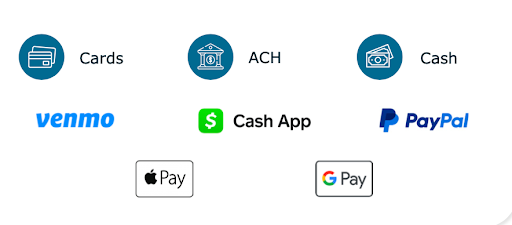
Cash accepted 24/7 at over 60,000 nationwide retailers listed below:

Access your client portal page here.
What happens if I am late on my payment?
There is a 10 day grace period for all payments due. After that, late fees will apply.
Do I need a good credit score to qualify for owner financing?
No, we don’t require credit checks—everyone qualifies. Learn more about how owner financing works.
What are the Property Tax Responsibilities?
Although most of our properties come with an agricultural exemption, there are still taxes applicable to each property. These taxes will be incorporated into your monthly payments and outlined in an annual account statement provided to you.
Can I pay off my loan early?
Yes. There are no prepayment penalties, so you can pay off your loan whenever you’re ready. See our owner financing guide for more details.
Can I refinance an owner-financed land purchase later?
Yes. Many buyers use owner financing to acquire land quickly, then refinance later once equity is built or improvements are added.
How much do I need for a down payment?
Most properties require just 5% down to get started. Learn more about owner financing options.
Is owner financing available for raw land and ranch properties?
Yes. Owner financing is commonly used for raw land, ranches, hunting properties, and recreational acreage—especially where banks may not lend.
Are there penalties if I sell the land before paying it off?
Most owner-financed agreements allow early payoff or resale, but terms vary by contract. Buyers should review their promissory note and deed restrictions before selling.
What happens if I miss a payment?
We work with our buyers to keep them on track—contact us if you anticipate an issue.
What happens if I default on an owner-financed land loan?
Default terms are outlined in the purchase agreement. Missed payments may result in late fees, and unresolved defaults can lead to forfeiture or foreclosure depending on the contract. Communication is key if issues arise. Read more about owner financing terms.
Can owner financing be used for hunting or recreational land?
Yes. Many hunting and recreational properties offered by TXLB qualify for owner financing.
Does owner financing affect my credit score?
Typically no. Owner-financed land purchases do not usually report to credit bureaus unless specified in the contract.
Can I use owner financing to buy land as an investment?
Yes. Many investors use owner financing to acquire land for long-term appreciation, hunting leases, or resale.
Is owner financing available for out-of-state buyers?
Yes. TXLB regularly works with out-of-state buyers, and owner financing makes purchasing Texas land simple without local banking requirements.
selling land in texas
How do I sell raw land in Texas?
Selling raw land involves pricing correctly, marketing access and usability, and understanding buyer needs. TXLB handles the full process. Read our tips for selling land.
Is it hard to sell land without utilities?
No. Many buyers actively seek raw land. Proper pricing and marketing are key. Learn more about selling land successfully.
What makes land harder or easier to sell?
Access, utilities, pricing, financing options, and clear documentation all affect marketability. Read more about boosting your land’s value.
Do I need a survey to sell land?
Not always, but a current survey can speed up the sale and reduce buyer hesitation. See our guide to preparing land for sale.
Can I sell land with an existing owner-financed note?
Yes, though terms of the note must be disclosed and reviewed. Learn more about selling land with owner financing.
How do I price my land competitively?
Pricing is based on location, access, utilities, market demand, and comparable sales. Get more tips on pricing and selling land.
Do I need to clear or improve land before selling?
Not necessarily. Many buyers prefer untouched land, though minor improvements can increase appeal. Learn what improvements add value before selling.
Can I sell inherited land in Texas?
Yes. Heirship and title issues may need to be resolved before closing. Learn about preparing land documents for sale.
How long does it take to sell land in Texas?
The timeline can vary depending on location, market demand, and property condition. Some land sells in a few weeks, while other parcels may take several months. Learn tips for selling land quickly.
Do I need a real estate agent to sell my land?
While not required, a real estate agent can help market your property, negotiate offers, and handle paperwork. However, some sellers choose to sell land by owner to save on commissions. See our land selling tips.
Do you have Experience Selling Land Without Utilities or Access?
We work with buyers looking for all types of land, including off-grid properties, raw land, and landlocked acreage.
Can I sell my land if I still owe on it?
Yes, we can help navigate the selling process even if there’s an existing loan or owner-financed agreement.
What documents do I need to sell my land?
You’ll need the deed, a recent survey (if available), tax records, and any relevant disclosures. Having these ready can speed up the closing process. See our full guide on preparing your land for sale.
Why should I Offer Owner Financing When Selling Land?
Owner financing can help you attract more buyers and higher sale prices, and we can guide you through the process.
Are there taxes when selling land in Texas?
Yes, you may owe capital gains tax if you sell your land for more than you paid. Consult a tax professional for advice on your specific situation.
How is land value determined in Texas?
Land value depends on location, size, access, zoning, and market trends. Comparable sales in your area are a good indicator of your property’s value. Learn how to choose the right property.
taxes, legal & financial questions
Are there capital gains taxes on land sales in Texas?
Texas has no state income tax, but federal capital gains taxes may apply. Learn about tax advantages of owner financing when selling land.
How does property tax work on rural land?
Taxes are based on market value unless an ag or wildlife valuation is in place.
What is rollback tax and when does it apply?
Rollback tax may apply if land is removed from ag or wildlife valuation.
What is an ag valuation vs wildlife valuation?
Both reduce property taxes. Ag valuation is based on agricultural use, while wildlife valuation focuses on habitat management.
Can land taxes increase after purchase?
Yes, especially if ag or wildlife valuation is removed or land use changes.
What legal issues should I watch for when buying land?
Common issues include access rights, easements, boundary disputes, and title defects. Learn about fencing laws and boundary responsibilities.
What is title insurance and do I need it for land?
Title insurance protects against ownership disputes and is strongly recommended. Read about buying hunting property which covers title insurance importance.
Can mineral rights affect land value?
Yes. Severed or retained mineral rights can impact land use and value. Learn about key factors when buying land.
What happens if land boundaries are disputed?
Boundary disputes are typically resolved through surveys, negotiation, or legal action. Learn about fence laws and boundary agreements.
trust, process & txlb-specific questions
Why should I work with Texas Land Brokerage?
TXLB specializes exclusively in Texas land, with deep expertise in rural properties, owner financing, and land sales.
Do you work with out-of-state buyers and sellers?
Yes. TXLB regularly works with clients across the country.
How does Texas Land Brokerage market land differently?
We focus on land-specific marketing, financing options, and educating buyers—not just listing properties.
What areas of Texas do you specialize in?
TXLB specializes in rural Texas, including Hill Country, West Texas, and hunting and ranch properties statewide.
Can TXLB help with land improvements after purchase?
Yes. We often assist buyers with guidance on clearing, access, and utility improvements.
How do I get started buying or selling land with TXLB?
Contact our team by phone, email, or message. We’ll walk you through the next steps.
I have moreOwner Financing Support and Questions, who can I contact?
Our goal is to provide the best customer service throughout the entire buying process, and even after. Our clients have access to multilingual, customer service agents available to assist with questions related to your loan and payments. Phone: (210) 610-6250 Toll Free: (855) 276-6300 Mon-Fri 8am-6pm CST
utilities, access & improvements
How do I know if land has electricity available?
Availability depends on proximity to power lines and the local utility provider. TXLB can help verify options. Learn about utility costs when buying land.
How much does it cost to drill a water well in Texas?
Costs vary by region and depth but often range from several thousand to tens of thousands of dollars. Be sure to account for septic system setbacks when planning well placement.
What if the land does not have road frontage?
Land without frontage may still be accessible through recorded easements. Access should always be verified before purchase. Learn about evaluating land access.
Can I add a driveway or access road later?
Yes, if access rights allow. Buyers should confirm easements and county rules before constructing roads.
How do septic systems work on rural Texas land?
Most rural land uses on-site septic systems (OSSF). System type depends on soil conditions and county regulations.
Can I live off-grid on Texas land?
In many counties, yes. Off-grid living may include solar power, water wells, and septic systems.
What improvements add the most value to land?
Access roads, clearing, water wells, fencing, and electricity typically add the most value and usability. Learn more about preparing land for sale.
Does land need to be fenced before purchase?
No. Fencing is optional and often added after purchase depending on intended use. Learn about Texas fencing laws and options.