

Sutton County, Texas: Big Sky Land for Sale
If you’re looking for Sutton County land for sale, you’re on the hunt in a part of Texas known for its wide open spaces, rugged beauty, and rolling hills of the Edwards Plateau - the kind of private land ownership most buyers can only dream of on a bigger ranch. At the heart of the action is Sonora, a scenic county seat on the western edge of the Edwards Plateau, where the terrain is as dramatic as the views. Elevation here tends to sit in the 1,900-2,300 ft range, and the semi-arid climate makes water management and land care crucial to smart land buying decisions.
Come see what Sutton County has to offer - View Sutton County land for sale

Sutton County at a Glance
- County seat: Sonora - a bustling little town in the heart of the county
- Population (est.): Just shy of 3,300 as of July 2024
- Region: Western Edwards Plateau country
- Land area: A massive 1,455 sq miles to explore
- Notable natural feature: The Devils River gets its start here
- Visitor favorite: Caverns of Sonora - a National Natural Landmark
Why Buyers Love Sutton County
Sutton County wins over land buyers who crave genuine ranch country - private land that really feels like home, is functional, and built for long-term value.
Here’s what buyers love:
- Big ranchland with acres to roam, hunt, and make improvements
- Hunting paradise with terrain, cover, and management that makes a real difference
- A taste of Hill Country meets West Texas - big skies and dramatic limestone country views
- Convenient access via Interstate 10 and US 277 through Sonora
Talk to a TXLB Land Specialist
Where is Sutton County? What’s the Access Like?
Sutton County is roughly 135 miles northwest of San Antonio and about 70 miles south of San Angelo. Not bad for a weekend getaway or a working ranch operation.
Sonora sits right at the intersection of Interstate 10 and US 277 (a key regional route), making it easy to get gear, livestock, and supplies in and out of the area.
The Land, the Terrain, and What It’s Like to Own Here
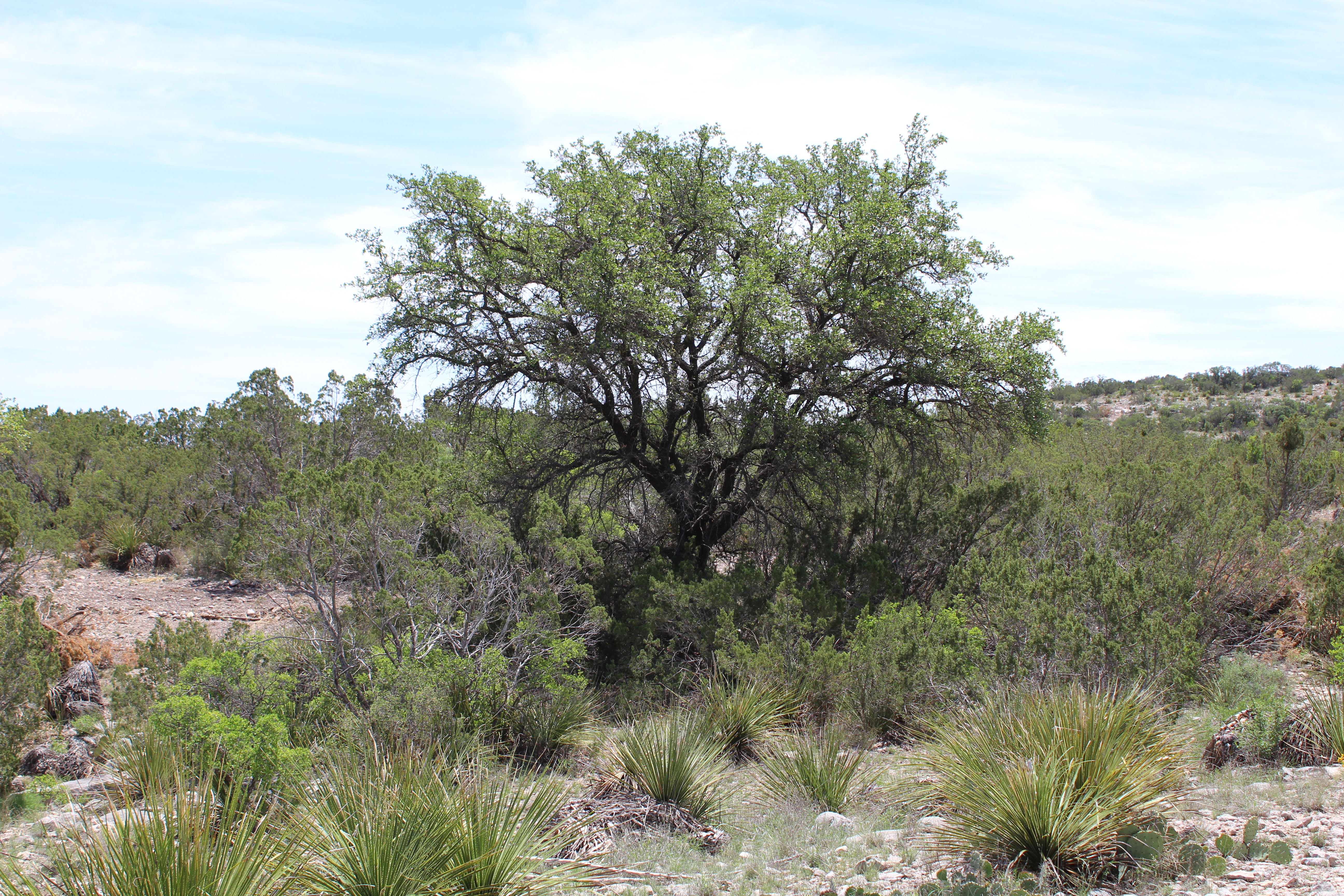
Sutton County’s landscape is classic Edwards Plateau: shallow, stony soils, limestone outcrops, and deeper loams along the watercourses. Drought cycles shape how ranchers plan water and grazing here, with limited rainfall averaging around 20 inches per year.
For land buyers, that means properties often rely on range management, wildlife management, and low-to-moderate intensity agriculture, depending on the soils and water situation.
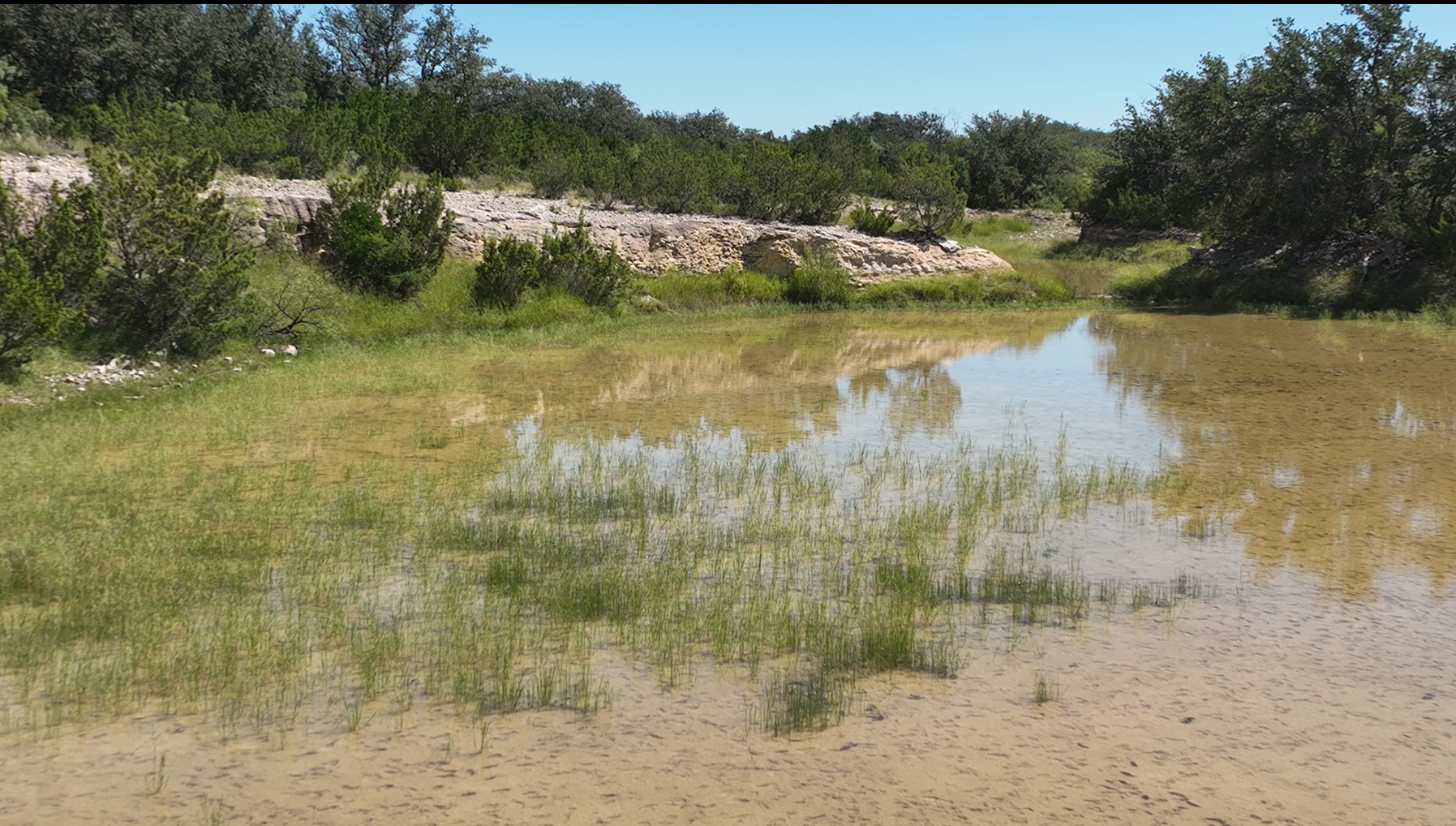
The terrain offers great views, natural travel routes for wildlife, and varied habitat on larger tracts. Water features are important - including creeks, springs, tanks, and well potential.
Water & the Devils River Advantage
Sutton County’s top claim to fame is the Devils River, which starts in the northwestern part of the county and flows south towards Amistad Reservoir on the Rio Grande.
Springs provide up to 80% of the river’s baseflow, which comes from the Edwards-Trinity (Plateau) Aquifer. That’s why the Devils River is widely regarded as one of Texas’ most pristine spring-fed systems.
For buyers, that means even if a tract isn’t riverfront, being in the same watershed and region can signal high potential for spring influence, draws, and riparian habitat where present.
Hunting & Wildlife
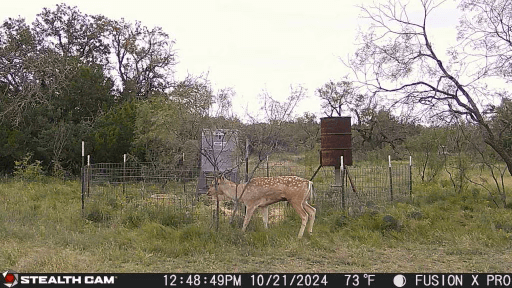
The region historically supported a wide variety of game and predators, including deer, quail, dove, and wild turkey - species that still shape the hunting culture here today.
Hunting-focused buyers often look for:
- Mixed cover (brush and open pasture) for lanes and stand locations
- Elevation changes, draws, and breaks that create natural movement routes
- Water strategy (tanks, creek lines, spring activity, reliable well potential)
- Room for habitat improvement (roads, trails, selective clearing, food plots where needed)
TXLB can take a close look at a tract for hunting - access, terrain, habitat, and practical setup potential, so you’re not making decisions based on a map pin alone.
History of Ranching in Sutton County: Sheep, Goats, and Working Land
Sutton County has a long history tied to livestock ranching. The early ranching draw was described as a “stockman’s paradise,” showing how important cattle and sheep ranching were to the area.
Sonora to this day is closely tied to the sheep and goat economy. The Sonora Wool & Mohair Company dates back to 1929, and sheep and goat ranching organizations remain active in the area. That local ranching heritage influences:
- What kind of fencing and infrastructure is needed
- How land is used and managed
- The availability of expertise and services tied to working ranches
Sutton County’s Unique Attraction: Caverns of Sonora
Sutton County has a real showstopper of a natural landmark: Caverns of Sonora, officially listed by the National Park Service as a National Natural Landmark. This is a real draw for tourists and a great selling point for landowners who want to own property in an interesting and appealing part of the state.
Frequently Asked Questions
What is Sutton County known for?
What is the county seat of Sutton County?
How big is Sutton County?
Where does the Devils River start?
Is Caverns of Sonora a protected landmark?
Ready to Find Your Sutton County Ranch?

Hunting-Focused Land
We'll prioritize terrain, habitat, and how well a tract can be set up for hunting.

Working Ranch
We'll focus on usability, infrastructure, and long-term management potential.

Legacy Property
We'll help you figure out what makes a tract valuable and how to buy it strategically.