
Hunting Property Setup in Texas: A First-Year Guide for New Landowners
Bought a Texas hunting property? Here's the first-year setup playbook — boundaries, water, food plots, blinds, wildlife exemption, MLDP, leases, and fence law.
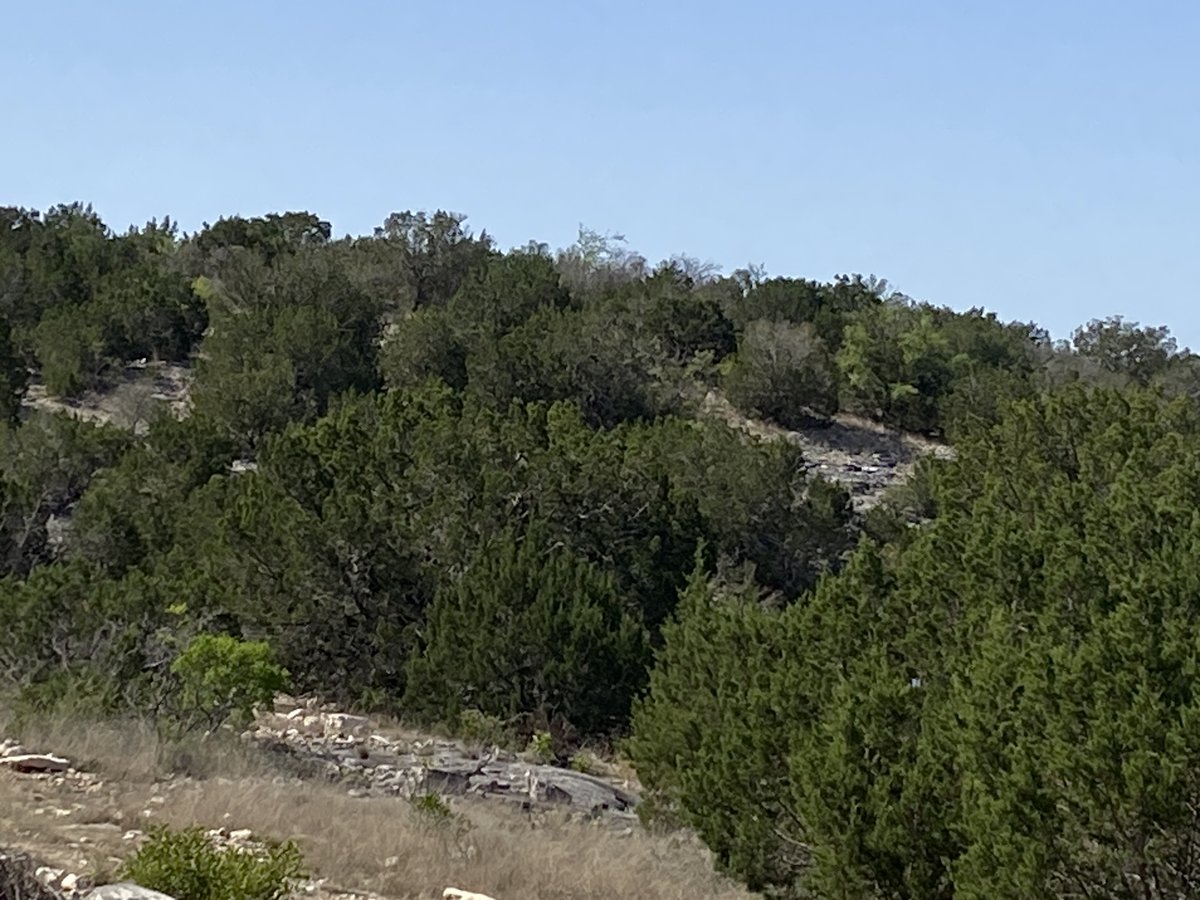
Bought a Texas hunting property? Here's the first-year setup playbook — boundaries, water, food plots, blinds, wildlife exemption, MLDP, leases, and fence law.
You closed on a Texas hunting property. Now what?
The first 12 months on a new piece of hunting land set the trajectory for everything that comes after — your harvest quality, your wildlife exemption status, your lease income potential, and how comfortable the property feels every time you drive through the gate. The work you do this year compounds for a decade.
This guide walks you through the full first-year setup, from the practical (boundaries, water, blinds, food plots) to the regulatory (wildlife exemption, Managed Lands Deer Program, leasing, fence law). It is written for new Texas land buyers who want to do this right the first time.
A hunting property is a habitat. Habitat takes years to shape, and the decisions you make in the first season — where you cut senderos, where you place feeders, whether you file for the wildlife exemption — affect what the land becomes for the next decade.
The good news: you do not have to do everything at once. Texas land is patient. The framework that follows is what we have seen work across hundreds of Hill Country and West Texas properties, and it scales whether you bought 50 acres or 500.
Here is the order of operations.
Before you cut a single sendero or pour a single feeder, walk the entire perimeter of your property with the survey in hand.
You are looking for:
Once you have walked it, post the boundaries. In Texas, you have two legal options:
Both methods are legal; many landowners use both. Posted boundaries make trespass enforcement enforceable and signal to hunters and neighbors that the property is actively managed.
Replace any broken or non-functional gates with locked, identifiable gates at every entry point. Note the gate codes or padlock keys somewhere safe and share them only with the people who need access.
Water is the single biggest habitat lever you have on Texas land. Deer, turkey, dove, and exotics will travel surprising distances for reliable water, and properties with multiple water points consistently hold more game than properties without.
Walk the land and inventory:
If your land has no well and you plan to add one, budget $15,000 to $25,000 for typical Hill Country drilling and equipment, more for deeper West Texas wells. If you already have a well and want better wildlife distribution across the property, a 200-gallon trough plumbed off the well or fed by a solar-powered submersible can extend coverage to the back of the property for under $2,000.
Texas property tax appraisers and TPWD biologists both look favorably on supplemental water for wildlife. It is one of the seven qualifying practices for the wildlife management property tax valuation (covered later in this guide), and on most ranches it is the single highest-impact improvement you can make.
A sendero is a cut shooting lane through brush — usually 30 to 60 feet wide, often along old fence lines or natural breaks. Senderos do three things at once: give you safe shooting opportunities, allow visibility for game observation, and create edge habitat that wildlife uses for browsing.
Good sendero design:
Caliche or gravel roads should be graded and maintained at least once a year, more often if heavy rain washes them out. A well-maintained road network is the difference between getting to your favorite spot and giving up because the trail is impassable in March.
The hierarchy on Texas hunting land is: native browse first, food plots second, feeders third.
Native browse is what naturally grows on your property — live oak mast, persimmon, mesquite beans, agarita, and the dozens of forbs and grasses that make up a healthy Hill Country diet. Healthy native browse comes from light brush management (selective cedar removal, prescribed burns where appropriate, rest from over-grazing) and is the foundation of any hunting operation.
Food plots are seasonal supplemental forage. Common Texas food plot crops include oats, wheat, rye, clovers, and warm-season options like cowpeas and lablab. Plot size varies from a quarter-acre kill plot tucked against cover to multi-acre destination plots that draw deer from neighboring properties. Soil tests, lime, and proper fertilization make the difference between a plot that produces and a plot that disappoints.
Feeders are the most visible element of a Texas hunting operation but should be the last layer, not the first. Feeders work best when they are:
Baiting with corn or feed is legal in Texas for non-migratory game including deer, hogs, and exotics. Migratory birds (dove, ducks, geese) cannot be hunted over bait under federal law.
Blind placement is where the practical and the strategic meet. A perfect feeder location with a poorly placed blind kills your odds. Match blind position to:
Trail cameras turn your property into a 24-hour observation system. A starter grid is one camera per 80 to 100 acres, placed on water, feed, and pinch points (saddles, gates, trail crossings). Cellular cameras send images to your phone in real time and dramatically reduce the pressure you put on the property by checking SD cards.
Trail cam data also feeds the census-count requirement for the wildlife exemption and the data reporting requirement for the Managed Lands Deer Program, both covered next.
The 2025–2026 white-tailed deer seasons set by Texas Parks and Wildlife Department are:
Feral hogs and exotic game (axis deer, blackbuck, aoudad, sika, fallow) have no closed season and no bag limit on private land in Texas, making them year-round opportunities.
Hunting licenses for the 2025–2026 season:
Texas residents do not need a hunting license to hunt on land they own. Non-resident landowners and resident landowners hunting other property still need a license. Anyone hunting on a leased property needs a hunting license regardless of residency.
Always check the current TPWD Outdoor Annual for county-specific bag limits, antler restrictions, and special regulations. The Hill Country and South Texas Plains have different antler restrictions than the Cross Timbers or Pineywoods regions.
The wildlife management property tax valuation — usually called the wildlife exemption — gives you the same property tax reduction as an agricultural exemption while letting you manage the land for wildlife instead of livestock or crops. For most hunting property owners, it is the single most valuable tax tool in Texas.
To qualify, the land must already be appraised under the agricultural valuation (1-d-1) at the time you convert. You then file a wildlife management plan with the county appraisal district committing to at least three of the seven qualifying practices defined in Texas Tax Code §23.51:
You pick three (or more) and you implement and document them annually. The plan stays on file with the appraisal district, and you submit annual reports of what you actually did.
Counties vary in how strictly they review wildlife exemption applications. Some require a plan written by a Texas Wildlife Association member or licensed wildlife biologist. Some accept landowner-prepared plans on the TPWD-provided form. All require active, documented management — the exemption is not a passive tax break.
A note on rollback taxes: if a property currently has the ag exemption and you let it lapse before converting to wildlife, you can trigger a rollback tax assessment of up to five years of back property taxes at market rate. Always plan the conversion so the exemption is continuous.
The Texas Parks and Wildlife Department’s Managed Lands Deer Program (MLDP) gives qualified landowners two big advantages: an extended hunting season (September 30, 2025 to February 28, 2026 for the 2025–26 cycle) and customized buck and doe tag issuance based on your specific deer population.
There are two enrollment tiers:
This is the deeper tier. You work directly with a TPWD biologist who walks your property, assesses habitat and deer populations, and issues a customized harvest recommendation. In return:
The CO is best for serious hunting operations, ranches managing for trophy quality, and landowners who want a long-term partnership with TPWD biologists. It pairs naturally with the wildlife exemption — the practices overlap.
The lighter tier. Less customized, simpler to enroll, broader take recommendations. Good for landowners who want the season extension without the full CO commitment.
For most hunting property owners managing 100 acres or more in deer country, the Conservation Option is worth the effort. The combination of an extended season, customized tags, and TPWD biologist support is hard to replicate any other way.
Enrollment opens in spring each year. Landowners apply through the Land Management Assistance online system on the TPWD website.
Many Texas landowners offset property costs by leasing their hunting rights. Year-long leases are typical, and rates vary widely by region, game quality, and amenities — Hill Country hunting leases commonly run $15 to $40 per acre per year, with premium properties commanding more.
If you decide to lease:
If you hunt the property yourself, you have more flexibility but the same insurance considerations apply. Personal liability coverage on guests, off-property hunters who cross onto your land, and family members who hunt with you should all be reviewed annually.
A final note on Texas fence law: Texas is technically still an open range state, meaning livestock owners are generally not liable for animals straying onto unfenced neighboring property. Land adjacent to U.S. and state highways is automatically closed range, and individual counties can pass stock laws (most have) that change the rule locally. If you run any livestock — even a few cattle to maintain the ag exemption — confirm whether your county has a stock law and what your fencing obligations are. The Texas State Law Library and your county clerk’s office maintain current stock law records.
A property like Bennett Ranch in Edwards County — Hill Country terrain, abundant whitetail and exotic game, year-round access, and an existing wildlife exemption — gives a new owner a head start on the first-year framework. The wildlife exemption is already in place, the road and fence infrastructure exists, and the habitat is already producing.
That kind of foundation lets you focus the first year on the things that move the needle: walking the property, dialing in your blind locations, and starting the trail-camera data that will feed both your hunting strategy and your TPWD reporting.
Texas Land Brokerage specializes in Hill Country hunting and recreational land sales, with owner financing available on most properties — 5 percent down, no credit check, terms up to 30 years.
Browse our current properties or filter by county to find the kind of land that fits the hunting operation you are building. Have questions about wildlife exemptions, MLDP enrollment, or what a specific property would take to set up? Contact us — we are landowners ourselves, and we are happy to walk through it.
Sign up to be the first to know when new Hill Country hunting properties become available.
Texas Land Brokerage is a full-service rural land brokerage offering owner financing with 5% down, no credit check, and terms up to 30 years. We specialize in hunting, ranch, and recreational properties across the Texas Hill Country.